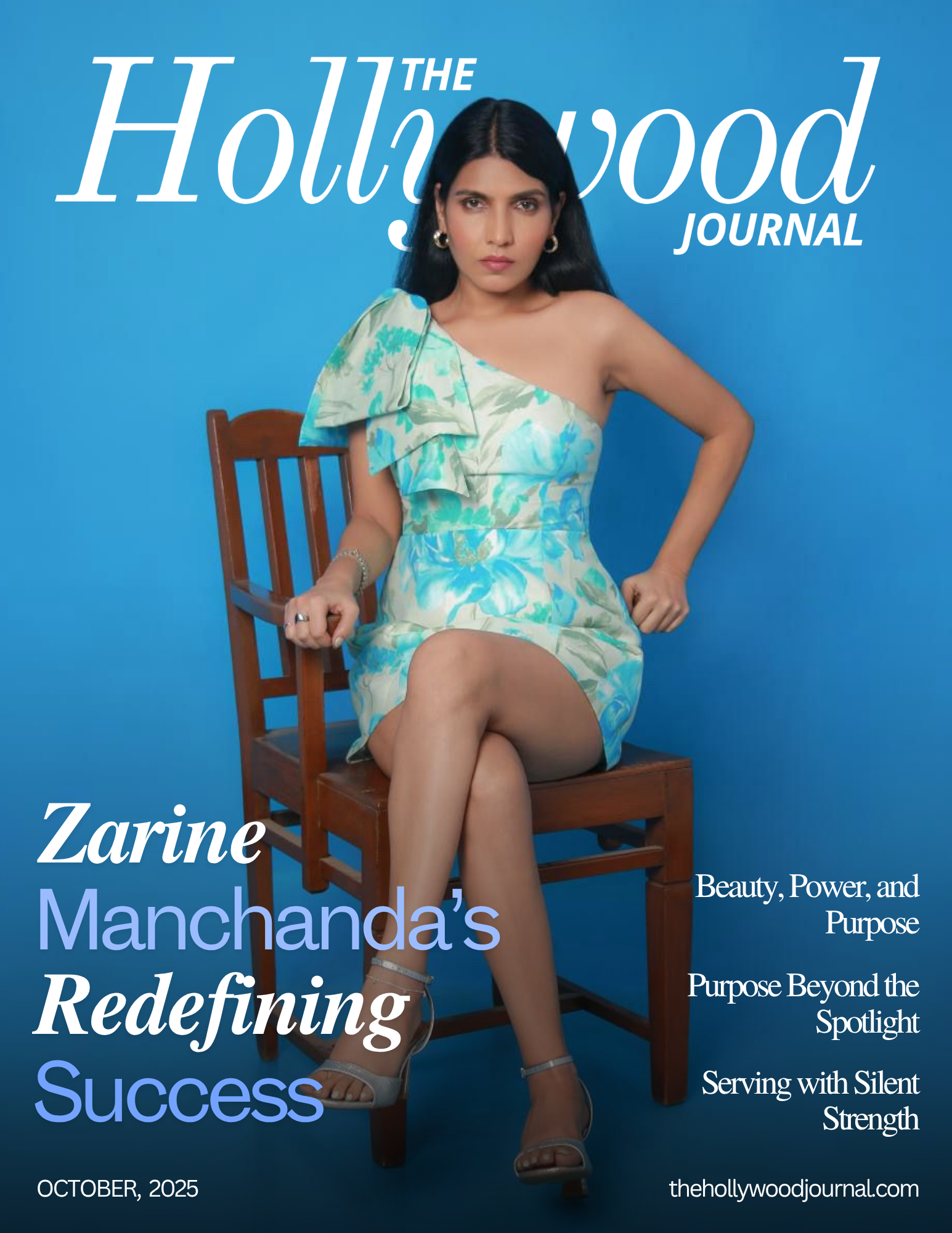
An Exclusive Conversation with the Philanthropist, Entrepreneur, and Political Trailblazer Redefining Success in Mumbai
A Different Kind of Success Story
Q: Zarine, millions come to Mumbai chasing the glamour of Bollywood. Yet your success story took a completely different turn. How do you look back at that journey today?
Zarine Manchanda: (smiles) I came to Mumbai like everyone else—with stars in my eyes. I thought my story would unfold under the studio lights, not in the slums or food distribution drives. But life had a different plan. My greatest achievements didn’t come from red carpets—they came from serving people who had nothing. When I see the faces of those we fed during the pandemic, that’s when I feel the real meaning of success.
Where Mountains Meet Purpose

Q: Your roots are in the Himalayan foothills near Dharamshala—a place where politics and spirituality coexist. How did that environment shape you?
Zarine: Dharamshala is where my foundation was built—both literally and spiritually. My father was a minister, my mother a businesswoman. Leadership and service were constant themes in our home. Living near His Holiness the Dalai Lama’s residence added another dimension—it made compassion part of our daily vocabulary. The mountains taught me to dream fearlessly, while the spiritual atmosphere taught me humility. Those two forces—ambition and empathy—still guide everything I do.
When Dreams Don’t Go According to Plan
Q: You’ve spoken openly about your struggles in the film industry. How did those rejections shape the woman you became?
Zarine: Honestly, they broke me before they built me. (laughs softly) I went from audition to audition, hearing “no” more times than I can count. Bollywood can make you feel invisible. But those experiences were teachers in disguise. They taught me resilience, discipline, and the ability to keep moving even when doors close. Looking back, I see that every rejection was just a redirection—preparing me for something far greater than fame.
The Turning Point
Q: What was that moment when everything changed?
Zarine: It was 2019. I remember feeling completely drained—emotionally, spiritually, financially. I realized I was chasing validation, not purpose. So I asked myself, what if I used all this energy for something that actually mattered?
That’s how the Zarine Manchanda Foundation was born in Aarey Colony. It started small—food and clothing distribution—but quickly grew into something much bigger. Then came 2020 and the pandemic. That was our real test. While most of the world shut down, we went into overdrive. We conducted more than 500 donation drives in two years. Those were the hardest but most rewarding days of my life.
Q: That must have taken incredible courage.
Zarine: It wasn’t courage—it was clarity. COVID stripped everything down to the essentials. You either retreat or you rise. I chose to rise.
Building Businesses That Mean Something

Q: You’ve built several businesses—each one with a social or spiritual essence. Tell us about that philosophy.
Zarine: I don’t believe business and compassion should be separate. Every venture I create must have purpose baked into it.
With The Zarine Manchanda Café, I wanted to infuse the spirit of Tibetan hospitality into dining—a place where food meets mindfulness. Heavenly Flavours, my 7-star cloud kitchen, was about bringing premium quality and heart into delivery. Then there’s Premium Security Services—that one was bold! (laughs) I became India’s only woman running a high-end security company. People doubted me, but I let performance silence the skepticism.
And Flavours of Himachal Pradesh, my 7-star Himachali restaurant in Mumbai—it’s my soul on a plate. It’s homecoming. It’s legacy.
Validation and Visibility
Q: Your impact has earned global recognition. How do you perceive these awards and titles?
Zarine: They’re beautiful acknowledgments, but not the goal. Receiving the Nelson Mandela Peace Award was deeply humbling—it recognized humanity, not hierarchy. The Young Entrepreneur of the Year, Times of India honors, and features in Femina and India Today helped amplify the message.
When the Indian Chamber of Commerce and Industry appointed me as Regional Director for BRICS, that was a turning point—it gave me a seat at the table where systemic change happens. Because charity can change one life, but policy can change a thousand.
From Service to Systems Change
Q: That perspective seems to have led naturally into politics. How did the Zarine Manchanda People’s Party come to be?
Zarine: Exactly. After years of ground-level service, I realized the root of many problems lies in broken systems. So in 2024, I launched the ZMPP. People assume it’s a return to my political roots, but to me, it’s a new beginning.
I’m not entering politics as someone born into privilege—I’m entering as someone who has seen hunger, inequality, and despair firsthand. Every policy I advocate for is informed by those experiences. My mission is simple: create structural change for Mumbai’s most vulnerable citizens.
Wisdom Forged in Fire

Q: You’ve faced rejection, reinvention, and responsibility. What life lessons would you share with young women?
Zarine: You know, life rarely unfolds the way we picture it. The path you plan isn’t always the one meant for you—and that’s okay. Sometimes those unexpected turns take you somewhere even better.
I’ve learned that ambition is important, but it needs to be rooted in service. If your success doesn’t give something back, it’s just accumulation, not fulfillment.
And those “no’s” you hear from the world? Don’t take them as walls—see them as invitations to build new doors.
When Bollywood rejected me over and over, I thought it was failure. Now I realize it was training—preparing me for something deeper, something that truly mattered.
At the end of the day, fulfillment comes when your talent meets the world’s need. That’s where the magic happens—that beautiful space where who you are aligns with what you can give.
The Road Continues
Q: Today, you wear many hats—philanthropist, entrepreneur, political leader. How do you keep all of it balanced?
Zarine: I see them as one mission expressed in different forms. Whether I’m feeding families, running a business, or drafting a policy, it all comes down to the same question: How can this create positive change for those who need it most?
Awards fade, spotlights move on—but impact remains. If my work gives someone food, dignity, or hope, that’s the legacy I want to leave behind.
Q: And finally, if you could leave our readers with one thought?
Zarine: Your setbacks are not punishments—they’re preparation. The question isn’t whether life will challenge you—it’s whether you’ll allow those challenges to transform you into the person you’re meant to be.