Beyond the image of success lies a more personal story about the experiences we cherish, the people we hold close, and the difference we hope to make in the world.
Luxury has always represented more than beautiful surroundings, exceptional experiences, or access to the finest things in life. At its most meaningful, luxury is about freedom. It is the freedom to choose how to spend one’s time, explore the world, create memorable experiences with loved ones, and support causes that reflect deeply held values.
For Matthias Siems, the conversation around lifestyle, family, and philanthropy offers an opportunity to explore a broader understanding of success. Rather than viewing achievement solely through material possessions or professional milestones, it invites a more personal question: what makes a successful life truly fulfilling?
The answer is rarely found in one place. It develops through the experiences people collect, the relationships they nurture, the principles that guide their decisions, and the ways they choose to use the opportunities available to them.
In a culture that often celebrates visible symbols of wealth, the more enduring story is about what exists behind them. A beautiful destination may provide a memorable setting, but the people who share the experience give it meaning. Financial independence can create opportunities, but personal values determine how those opportunities are used. And success can open doors, but the relationships maintained along the way help determine what ultimately matters.
Luxury as the Freedom to Choose
Luxury is often associated with exclusivity. Fine hotels, remarkable architecture, private travel, carefully designed interiors, and distinctive experiences have become familiar symbols of an elevated lifestyle.
Yet luxury means something different to everyone.
For some, it is the opportunity to experience the world without the limitations of a demanding schedule. For others, it means enjoying comfort, privacy, and the ability to dedicate time to personal interests. Sometimes, the greatest luxury is simply having control over one’s day.
This broader definition places lifestyle in a different context. Rather than focusing exclusively on what someone owns, it considers how that person chooses to live.
A meaningful luxury experience does not necessarily need to be extravagant. It may involve discovering a new destination, enjoying a quiet evening away from professional responsibilities, spending quality time with family, or having the freedom to pursue an interest without interruption.
The value lies in the experience itself and the meaning attached to it.
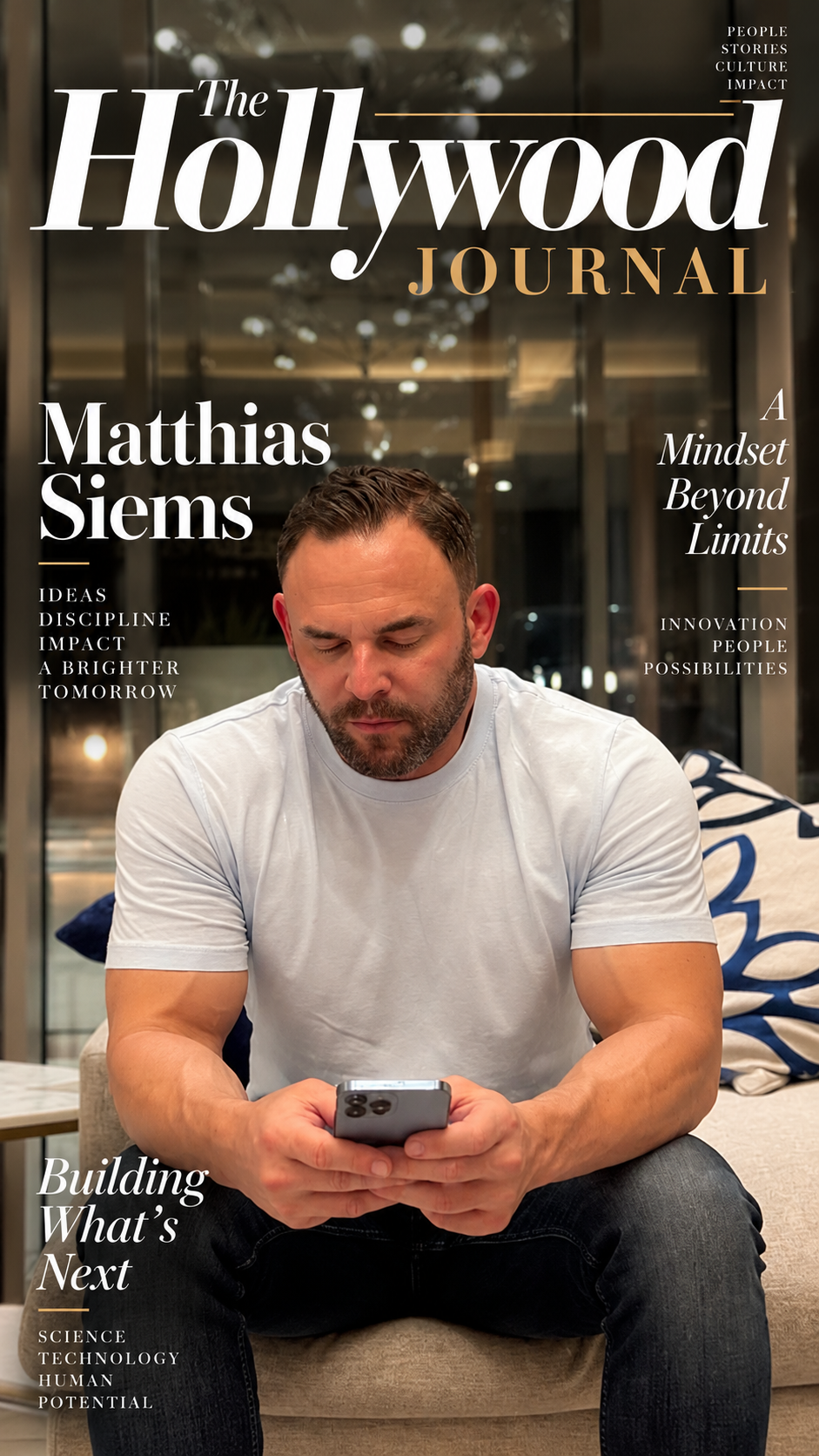
Matthias Siems’s public image across different settings provides a starting point for a discussion about personal style and lifestyle. Whether dressed casually or in more formal attire, the central theme is the relationship between confidence, comfort, and individual expression.
Personal style, much like lifestyle, becomes most compelling when it feels authentic. It does not need to follow every trend or rely on obvious displays of status. Often, simplicity and consistency create a stronger impression than excess.
Ultimately, luxury is not only about accessing the extraordinary. It is also about appreciating the everyday experiences that make life feel complete.
Family: The People Behind the Journey
Success can be a highly individual pursuit, but the meaning of achievement often extends beyond the person who reaches it.
Family can influence ambitions, provide perspective during difficult periods, and remind people of the priorities that exist outside professional life. Relationships create a sense of continuity in a world where circumstances, opportunities, and responsibilities are constantly changing.
For many people, the desire to achieve financial independence is connected to the hope of creating greater security and opportunity for their loved ones. It may involve supporting future generations, providing access to education and experiences, or building a foundation that allows family members to pursue their own goals.
But family life is not measured only through financial provision. Time, attention, trust, and shared experiences are equally important parts of meaningful relationships.
As professional responsibilities grow, maintaining those connections requires conscious effort. Ambition can create new opportunities, but it can also consume time if personal priorities are not clearly established.
This is where the idea of balance becomes especially important. A fulfilling life allows room for achievement without making achievement the only measure of progress.
Family experiences often become the memories people value most. Travel, celebrations, everyday conversations, and moments spent together can hold a significance that has little to do with their financial cost.
For Matthias Siems, the personal dimension of family offers an important avenue for understanding how he defines success beyond professional goals. His own reflections on the people closest to him, the values he considers important, and the kind of future he hopes to create would provide the most authentic insight into this part of his story.
The broader lesson is simple: the value of success is often revealed through the lives it touches, not merely through the achievements it produces.
Philanthropy and the Meaning of Giving Back
Giving back introduces another dimension to the conversation about wealth and lifestyle.
Financial resources can create opportunities to support communities, expand access to education, contribute to healthcare initiatives, and help address challenges faced by people with fewer resources. Yet philanthropy is not simply a financial transaction. Its meaning depends on the purpose behind the contribution and the difference it is intended to make.
Charitable giving can take many forms. Some initiatives focus on immediate needs, providing essential assistance during difficult circumstances. Others aim to create longer-term opportunities through education, research, employment, or community development.
There is no single approach that suits every cause. Effective philanthropy begins with understanding the problem, identifying where support may be useful, and considering how a contribution can create a meaningful outcome.
It can also extend beyond money. Professional knowledge, mentorship, time, and access to networks may help individuals and organisations develop opportunities that would otherwise be difficult to pursue.
The most meaningful charitable work is often connected to personal values. A cause may become important because of an experience, a belief about fairness, or a desire to contribute to a community that has played a significant role in someone’s life.
For a lifestyle story about Matthias Siems, philanthropy offers a way to explore the relationship between personal success and social responsibility. The specific causes he supports, if any, and the experiences that influence his giving philosophy would be important details in understanding this relationship.
Rather than treating generosity as an abstract idea, the strongest account would focus on concrete actions and the people or communities they are intended to benefit.
Giving back becomes most meaningful when it reflects a genuine commitment to making a difference, regardless of whether that work receives public recognition.
The Connection Between Wealth and Responsibility
Financial independence can expand personal freedom, but it can also introduce new questions about responsibility.
As resources and opportunities increase, individuals may have greater capacity to influence projects, support causes, and create opportunities for others. The challenge lies in deciding how to use that capacity thoughtfully.
Responsibility does not necessarily require dramatic gestures. It may be expressed through consistent support for a cause, careful consideration of business decisions, or a willingness to use personal experience to help someone else progress.
This perspective changes the way success is understood. Instead of treating wealth as the final destination, it considers wealth as a resource that can support a wider range of goals.
The distinction is important because financial achievement alone does not determine a person’s priorities. Two people with similar resources may choose very different paths depending on their values, experiences, and ambitions.
For some, the focus may be on creating security for their families. Others may prioritise innovation, community involvement, or supporting future generations. Many will seek a combination of these goals.
There is no universal definition of the right balance. What matters is that the choices reflect considered priorities rather than external expectations.
In this sense, responsibility becomes part of a broader understanding of luxury. The ability to make choices is valuable, but the opportunity to use those choices constructively can give success a deeper purpose.
Dreams Beyond Material Achievement
One of the most interesting aspects of an ambitious life is that the definition of success can evolve.
At one stage, the primary objective may be to establish financial stability or reach a professional milestone. Later, the focus may shift toward personal freedom, family experiences, new interests, or the desire to contribute to something beyond individual achievement.
These changes do not necessarily signal a loss of ambition. They can represent a more developed understanding of what achievement is meant to accomplish.
Matthias Siems has expressed a philosophy centred on questioning limitations and exploring possibilities. His words, “The impossible is only impossible if you know it beforehand. If you do not know it is impossible, you look for a solution,” capture an outlook that encourages curiosity rather than automatic acceptance of established boundaries.
Applied to personal life, that mindset can be understood as a willingness to continue learning, discovering new interests, and considering opportunities that may not have been part of an earlier plan.
Dreams do not always need to be connected to business or financial growth. They may involve travel, personal development, family, charitable work, or simply creating more space for experiences that bring fulfillment.
The ability to reconsider priorities is itself a form of freedom. It allows people to move beyond the expectations associated with a particular stage of life and define their next chapter according to what matters to them now.
Creating Experiences That Last
The most memorable lifestyle experiences are not always the most expensive ones.
A remarkable journey, a meaningful conversation, a family celebration, or an unexpected discovery can become significant because of the emotions and memories associated with it. The setting contributes to the experience, but it does not determine its value on its own.
This is one reason travel and personal experiences occupy such an important place in the broader conversation about lifestyle. They provide opportunities to step away from familiar routines and encounter new perspectives.
Different cultures, environments, and traditions can challenge assumptions and encourage people to reconsider their priorities. Travel can also create time for reflection, allowing individuals to reconnect with interests that may receive less attention during demanding periods.
When shared with family or close friends, these experiences can become part of a collective history. They create memories that remain meaningful long after the journey itself has ended.
A life built around experiences rather than possessions alone can offer a different understanding of prosperity. It recognises that the value of an opportunity depends not only on what it costs, but also on what it contributes to personal fulfillment.
For Siems, the broader theme of experiences offers a way to connect lifestyle with family, curiosity, and the freedom to explore the world. The most compelling details would be the destinations, traditions, and personal moments he considers particularly meaningful.
A More Personal Definition of Success
The modern conversation about luxury increasingly raises a question that goes beyond status: what does it mean to live well?
For some, the answer includes financial independence and access to exceptional experiences. For others, it centres on relationships, personal health, freedom, or the opportunity to contribute to a cause they believe in.
These priorities can coexist. A person can appreciate comfort while valuing simplicity, pursue ambition while protecting family time, and enjoy the benefits of success while remaining conscious of opportunities to help others.
The challenge is not to follow a prescribed formula. It is to build a life that reflects individual values and creates room for the things that matter most.
This perspective offers a more complete way to understand lifestyle. It moves beyond possessions and appearances to consider the decisions, relationships, and experiences that shape everyday life.
For Matthias Siems, the most meaningful story is not simply about the outward image of success. It is about the relationship between ambition and personal fulfillment, the importance of the people who share the journey, and the possibility of using success to create opportunities beyond oneself.
Beyond Luxury: The Legacy of a Life Well Lived
Luxury can make life more comfortable. Family can make it more meaningful. Philanthropy can extend its influence beyond the individual. Together, these themes offer a broader perspective on what success can represent.
The lasting value of a life is rarely determined by one achievement or one defining moment. It develops through a series of decisions, relationships, experiences, and commitments that reveal a person’s priorities over time.
A legacy may include financial security, but it can also involve the values passed to future generations, the opportunities created for others, and the positive experiences shared with the people who matter most.
For Matthias Siems, the conversation around luxury, family, and giving back presents an opportunity to examine success through a more personal lens. It asks not only what a person can achieve, but what that achievement makes possible and how those possibilities are used.
In the end, a life well lived is not defined exclusively by what is owned or where someone travels. It is shaped by the freedom to make meaningful choices, the relationships that give those choices significance, and the willingness to look beyond personal achievement toward a future with greater purpose.
That is where luxury becomes more than a lifestyle, family becomes more than a personal priority, and giving back becomes more than an ideal. Together, they form a vision of success measured not only by what a person has built, but by what that life ultimately means.