For decades, films set the standard for romance: chance encounters in bookshops, sweeping gestures at train stations, lovers meeting in beautiful spaces where chemistry became inevitable. Connection was visceral, cinematic, full of tension and presence. Today, that reality feels distant. Dating has collapsed into a digital marketplace, measured in swipes, likes, and algorithms designed to keep people scrolling instead of connecting.
In 2025, the landscape of modern romance is defined by fatigue. Singles talk about burnout, emotional overload, disappearing acts, and the numbing sameness of profiles that blur together. A generation that once believed technology would make dating easier now finds itself craving something far more rare: sincerity, presence, and depth.
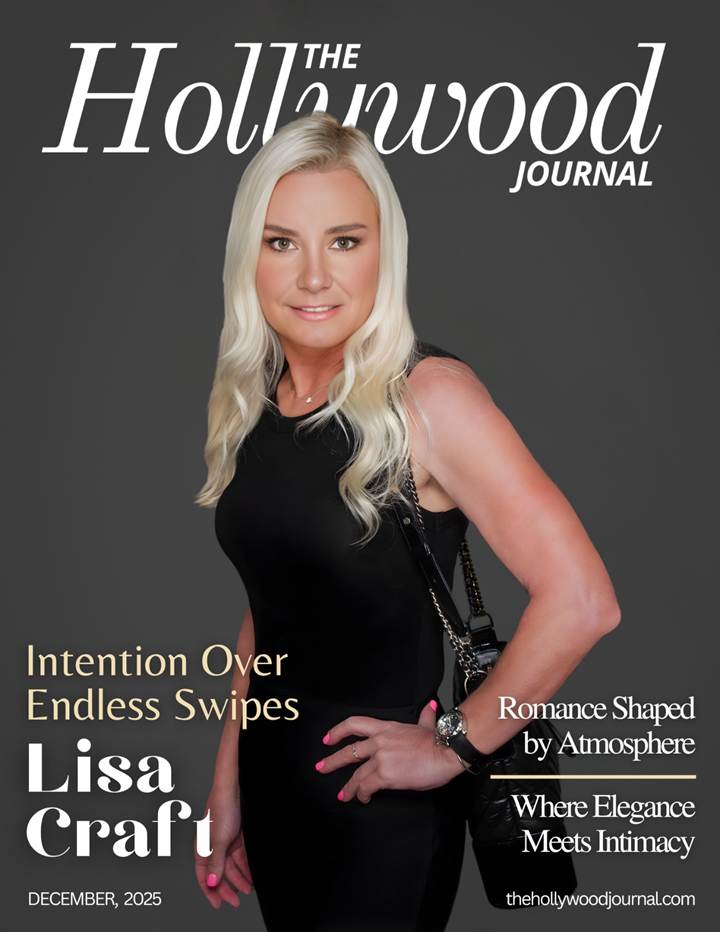
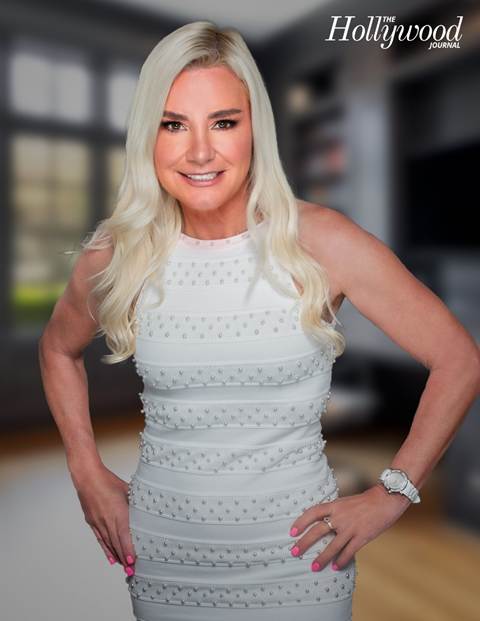
Into that cultural vacuum steps Lisa Craft, a Southern California entrepreneur and founder, quietly rewriting the rules of how people meet and form relationships. Her work is grounded in a radical but deeply human belief — that the future of dating is offline, rooted in real-world experiences and shared environments that allow people to show up as their truest selves.
Craft’s vision for AdventureDating.com emerged not from a business plan, but from an ordinary moment: a bike ride through Topanga State Park, surrounded by ocean air and sweeping canyon trails. She found her mind wandering: What if meeting someone could feel as natural and grounded as this? What if connection were designed around interests, movement, and real-world rhythm—rather than performance and screen time?
That question sparked what is quickly becoming a cultural movement.
Rather than optimizing for volume, Craft’s philosophy prioritizes alignment, taste, and emotional intelligence. Instead of endless chat threads, she imagines first meetings anchored in beautifully considered environments: skiing in Mammoth, a sunrise paddle along the Malibu coastline, a private architectural tour downtown, gallery night, or a coastal hike followed by espresso at golden hour. These aren’t dates — they’re experiences. They create space for chemistry to unfold organically, without the choreography or pressure of traditional dating.
This approach resonates most with high-performing professionals, creatives, and wellness-oriented individuals who increasingly see time as the ultimate luxury. As Craft describes it, “People don’t want more noise — they want meaningful moments.” The luxury today isn’t money; it’s attention.
Culturally, the shift makes sense. Anyone observing the landscape of modern adulthood sees rising loneliness, decreased social trust, and a generation craving reconnection with themselves, nature, and others. The pendulum is swinging away from digital stimulation and back toward embodied presence. Research supports it: movement increases emotional openness, shared experiences accelerate bonding, and environments shape confidence.
Craft’s approach offers an antidote to transactional dating: real-world chemistry over curated personas. It’s more dinner party than dating app, more lifestyle than interface. People come not to consume each other, but to experience life together.
The media has taken notice. Craft has been featured in Harper’s Bazaar USA, Valiant CEO, and Fortune feature, and recently received the CV Technology Excellence Award for Best Experiential Dating & Social Adventure Platform 2026 – USA. Industry insiders call her work part of a broader renaissance: the rise of experiential living, where meaning outweighs metrics and authenticity outranks algorithmic performance.
Los Angeles — with its cinematic backdrops, health-and-wellness culture, and appetite for curated experience — has become the perfect testing ground. Early participants describe the model not as dating, but as discovery: a way to encounter someone in a beautifully real context instead of a digital blur.
What makes Craft compelling is not the technology, but the philosophy driving it. She is championing a return to humanity — a belief that romance is still alive, but needs a new environment to thrive. In a culture obsessed with acceleration, she’s betting on something slower, more intentional, more meaningful.
She’s not building a product. She’s designing a cultural correction. The story of modern connection is being rewritten. The spark is returning to real time, real spaces, real people.
And in true Hollywood fashion, the next act is already unfolding.