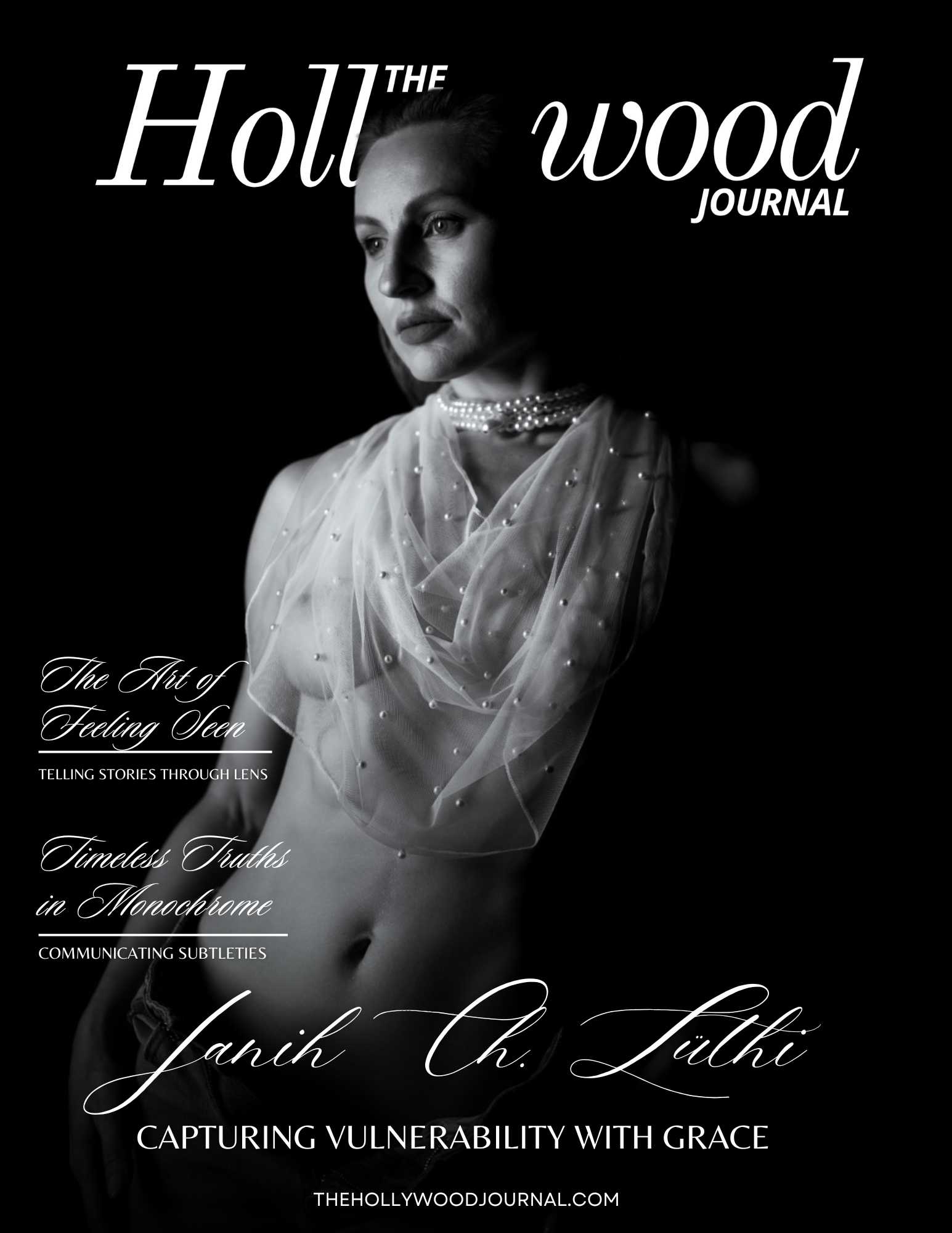
Swiss photographer Janih Ch. Lüthi captures what words often cannot—the raw, unspoken truths embedded in body language, light, and shadow. With a camera as his confidant and black-and-white as his chosen voice, Janih’s work bridges the unseen with the deeply felt. Known for his emotionally resonant portraits of women, his photography doesn’t just document beauty—it reflects resilience, vulnerability, and identity. Exhibited globally in cities like Paris, Rome, and Cannes, Janih continues to evolve his deeply human art with his ongoing series “Bodylanguage of a Woman.”
The First Frame: A Childhood Curiosity
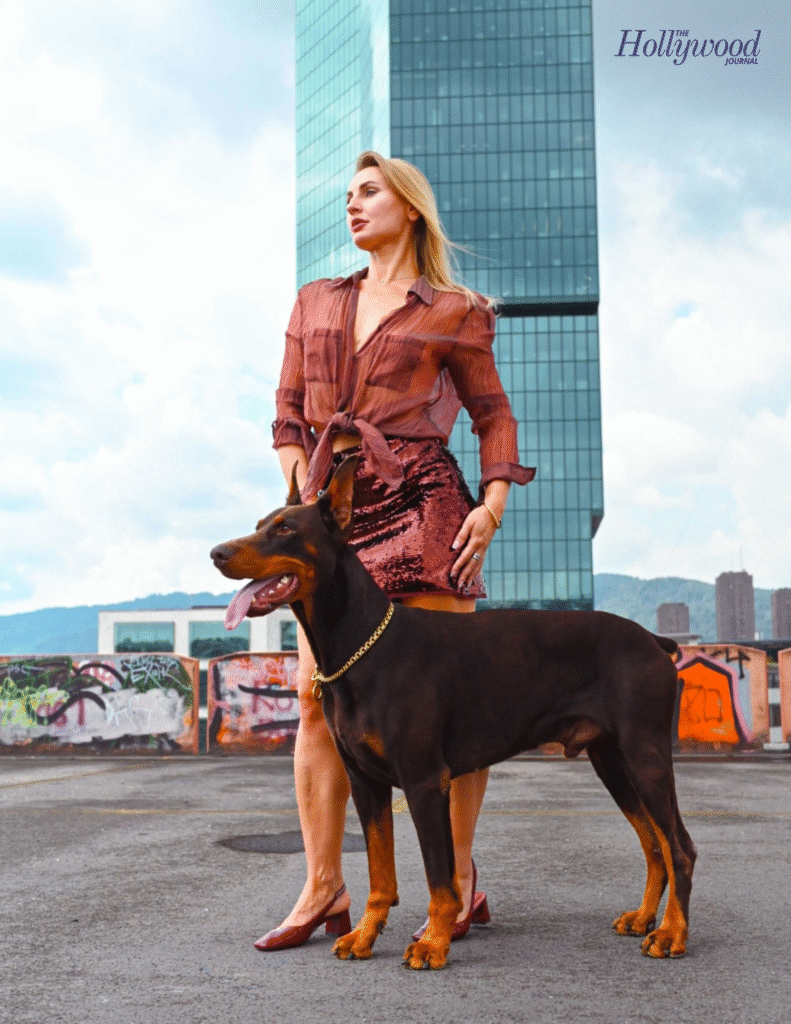
Janih’s journey behind the lens began early. As a child, he was gifted an analog camera—simple, mechanical, and full of possibility. He began photographing anything that caught his eye, chasing light across meadows, faces, and seasons. That early habit matured into landscape and wildlife photography, where he trained his eye for composition, contrast, and stillness.
But it was only years later—three years ago—that Janih discovered his true calling: portraiture, especially the kind that reveals more in silence than in words.
Why Black-and-White Still Matters
In an age obsessed with filters and color saturation, Janih found liberation in restraint. Black-and-white photography became his medium of choice—not for nostalgia, but for what it reveals.
“Monochrome strips away distraction,” he says. “What’s left is emotion—pure, honest, and undressed.”
For Janih, the female form became a deeply moving subject. Through posture, gaze, and quiet gestures, he saw narratives that asked not to be told, but felt. The camera, he discovered, could become an instrument of empathy.
Bridging the Unseen
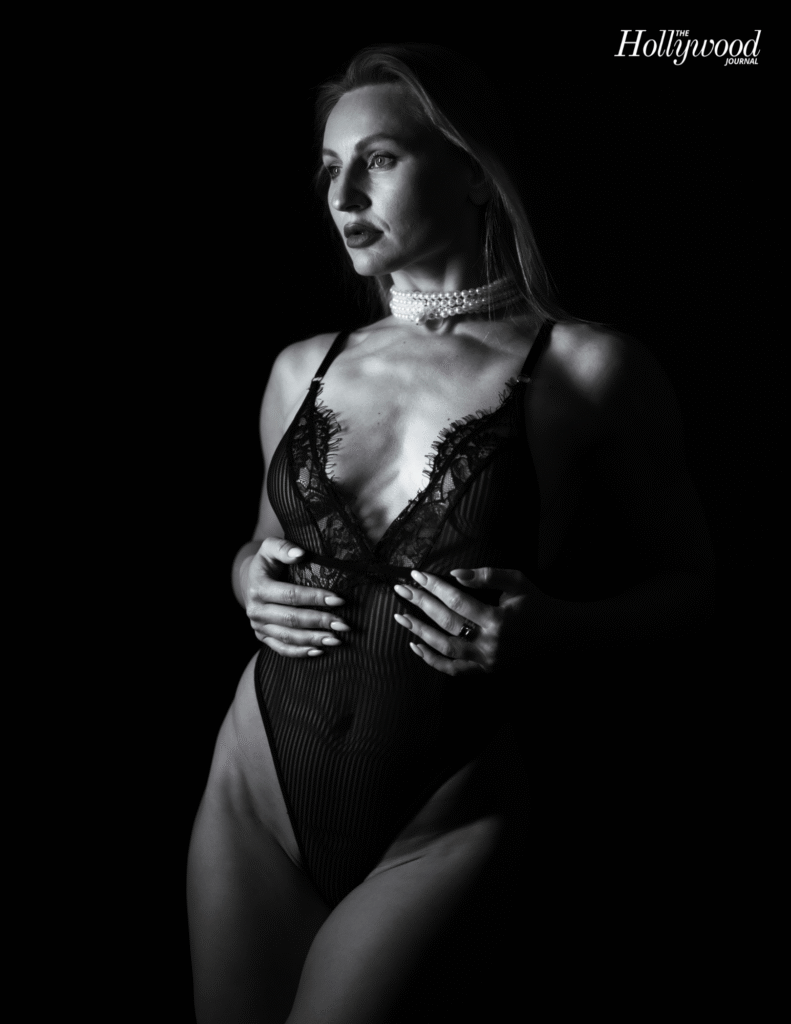
At the heart of Janih’s work lies a question: How do we capture what is felt but never said?
His answer is found in his ongoing series, “Bodylanguage of a Woman.” It’s a project rooted in honoring the unspoken—how women express strength, tenderness, fear, or freedom without saying a word. His photographs are not about performance; they are about presence.
“I want to bridge the gap between how women feel and how they are seen,” he says. “To reflect dignity in vulnerability, and truth in quiet moments.”
An Intuitive, Empathic Lens
What sets Janih apart isn’t just his aesthetic—but his approach. He doesn’t photograph people; he connects with them. He spends time understanding his subjects beyond the lens, inviting trust and authenticity.
As he puts it, “Ich konzentriere mich nicht nur auf Ästhetik, sondern auf emotionales Storytelling.” (I don’t just focus on aesthetics, but on emotional storytelling.)
That sensitivity shines in every portrait—images that feel lived in, whispered, and true.
When a Photograph Heals
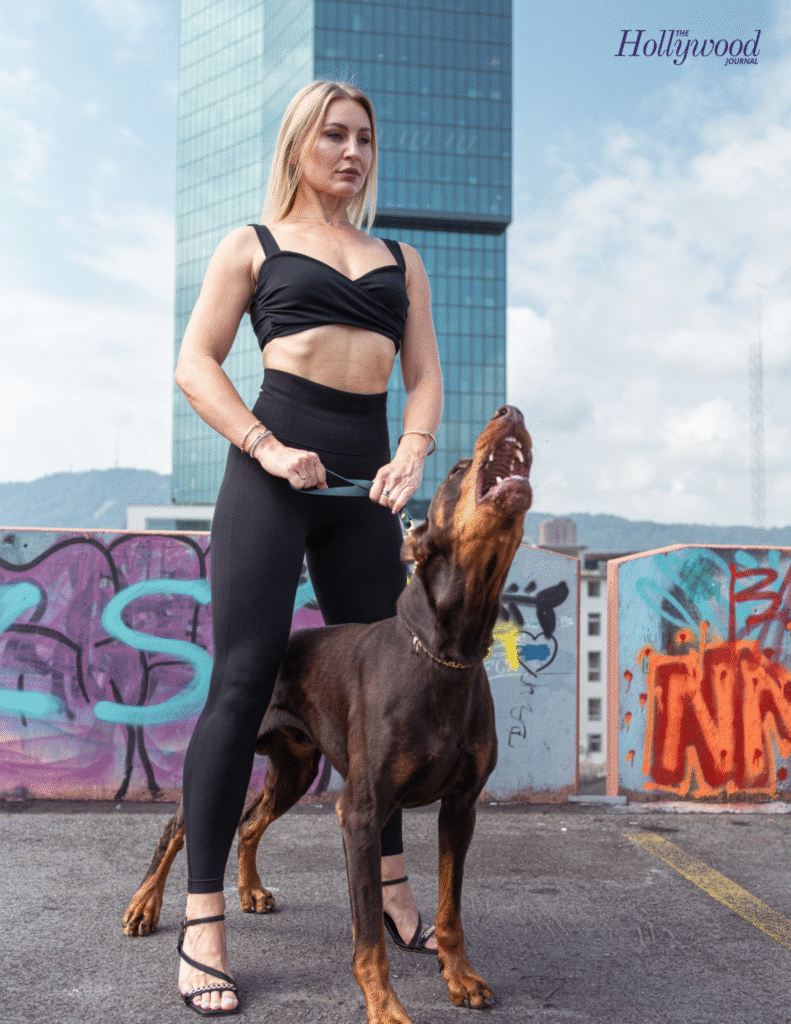
More than recognition or exhibitions, Janih is most moved by transformation—that moment when someone sees themselves differently after being photographed. Not in the way the world expects, but in a way that feels more real to them.
“Photography has the power to heal, to affirm, to elevate,” he reflects. “That’s what keeps me going.”
For Janih, success is not about volume or fame. It’s about connection—creating images that linger in the soul, that speak long after the shutter has closed.
Milestones in Stillness
Janih’s work has found its place in exhibitions across Paris, Rome, Cannes, and beyond. Each display is a quiet celebration—not just of his art, but of the intimate stories he’s been entrusted to tell. These milestones are not about spotlight, but about resonance—proof that his visual language speaks across cultures.
The Next Chapter: Still, Honest, Human
Currently, Janih is deepening his most personal project, “Bodylanguage of a Woman.” The next chapter will explore how body language shifts in solitude versus when being seen. The goal isn’t perfection—it’s truth. Moments of breath, stillness, and presence.
As always, the work will remain in black-and-white, preserving emotional clarity and timelessness.
“My aim is not just to create beautiful images,” Janih says, “but to tell visual stories that invite the viewer to pause, to feel, and to see—really see.”