Why the future of fashion may be one outfit that knows how to change with the night
Western fashion has always understood something that modern fashion is rediscovering: clothes should move with your life.
A great outfit shouldn’t necessarily exist for only one photograph, one dinner or one moment. It should be able to evolve as the evening does.
That idea feels especially relevant in places like Aspen, where a single social occasion can move from an elegant dinner or cultural event to cocktails, live music and dancing without ever really having a definitive ending.
The question becomes: Why dress for only the first part of the night?
The future of fashion may be about creating looks that begin sophisticated and conservative, then transform into something younger, sexier and more playful when the formal part of the evening is over.
Start With the Long Dress
The long black dress is the foundation of this idea.
It is elegant without trying too hard. The longer silhouette creates sophistication, while a Western belt adds personality and gives an otherwise classic piece a sense of place.
For an early-evening event, dinner, gallery opening or more conservative social setting, the full-length dress works beautifully as it is. It feels polished and appropriate while still having character.
And importantly, it photographs completely differently from what comes next.
Because underneath—or incorporated into—the sophisticated exterior could be another look entirely.
Then the Night Changes

Dinner ends. The music gets louder. Someone suggests going somewhere else. Suddenly, the outfit you wanted at 6:30 isn’t necessarily the outfit you want at 10:30.
This is where fashion can become fun.
Imagine the long skirt or lower portion of the dress being removable, revealing a Western-inspired mini underneath. The refined evening silhouette transforms into something designed for dancing.
The second look doesn’t need an entirely new wardrobe change. Boots stay on. Jewelry stays on. Hair and makeup remain the same. Certain accessories can carry through both versions.
But the energy changes completely.
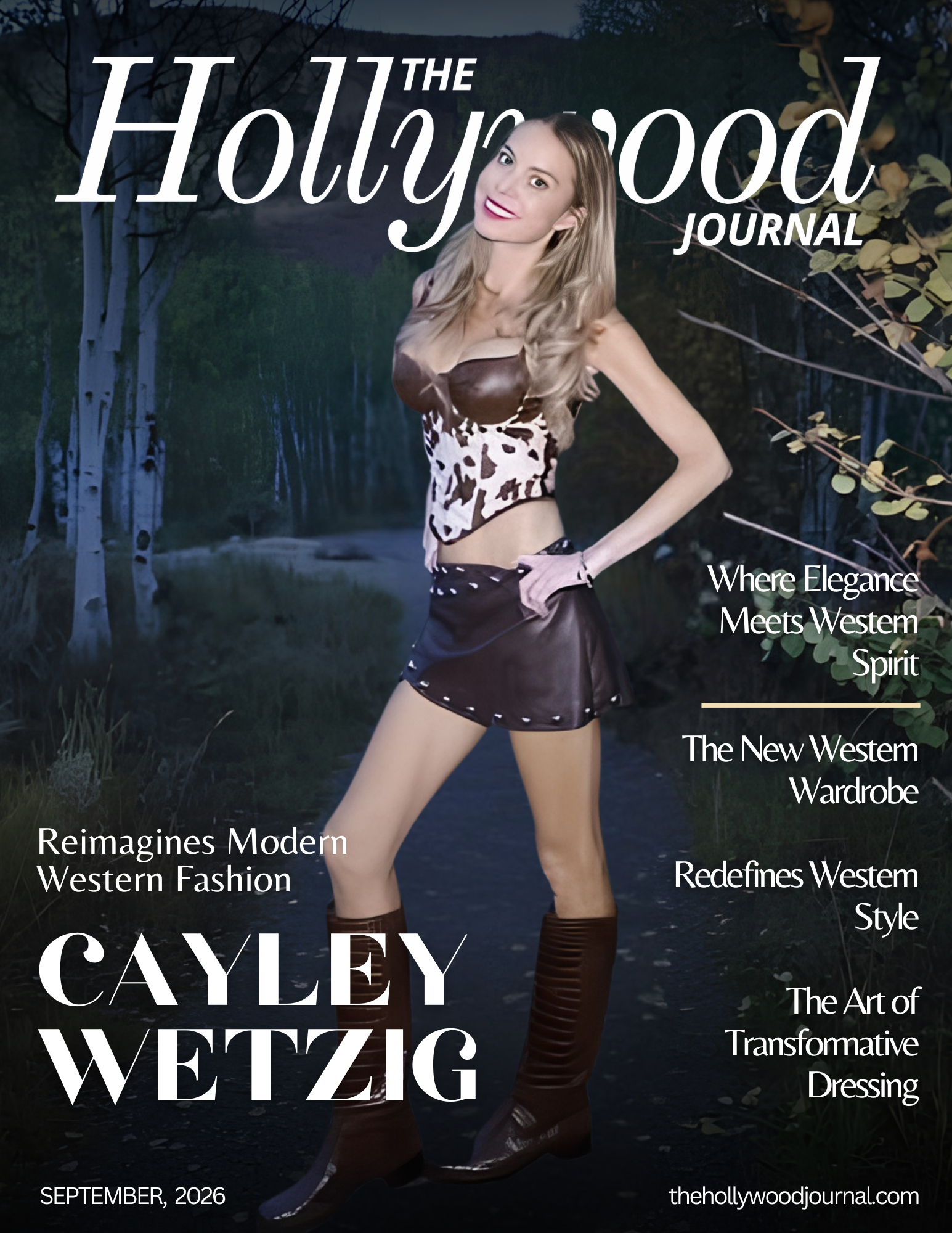
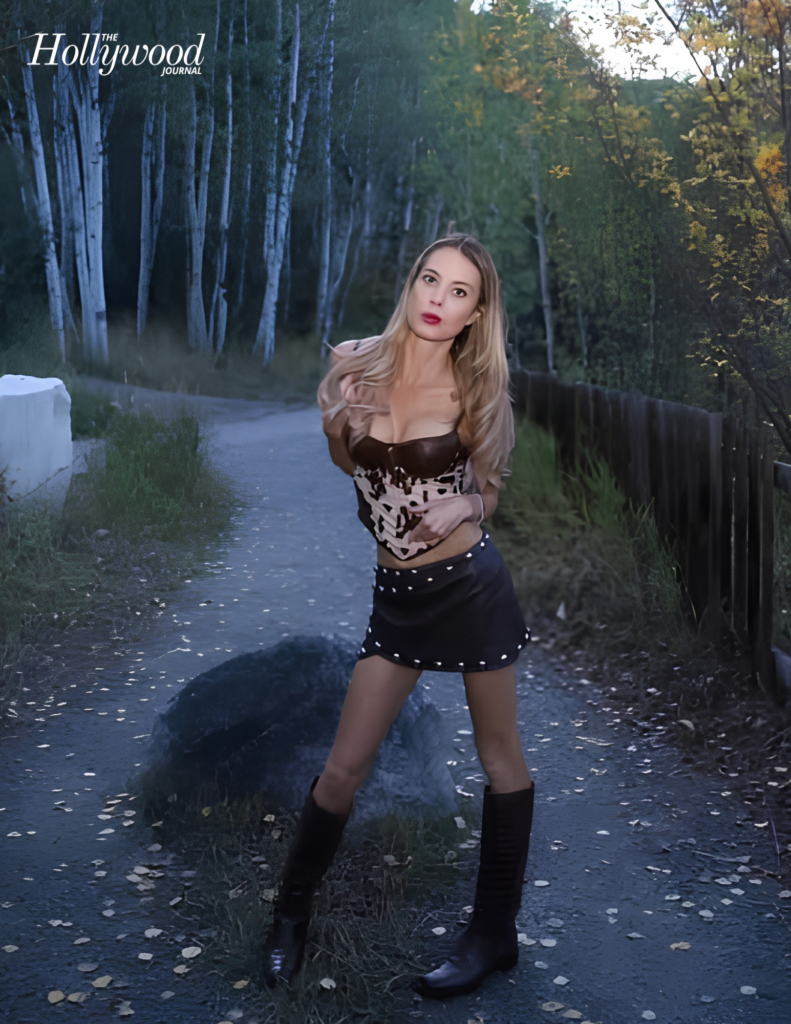
A long black Western-inspired dress becomes a short skirt, fitted cow-print or corset-inspired top and tall boots.
Same woman. Same evening. Same social circle. Completely different photograph.
That transformation is what makes the concept interesting.
Fashion Designed for the Entire Social Experience
For years, convertible clothing has largely been discussed through practicality: a reversible jacket, a dress worn several ways or pieces intended to make packing easier.
Social media introduces another reason for transformation: visual storytelling.
One event can now produce dozens of photographs and videos. There may be formal portraits at the beginning of the evening, dinner photographs, candid moments, dancing videos and late-night group shots.
Wearing one static look through every chapter doesn’t always reflect how dramatically the mood of an evening changes.
So why shouldn’t the clothing change with it?
Instead of designing only for an “occasion,” designers can begin designing for the sequence of an occasion.
Arrival → dinner → cocktails → dancing → after-party.
The clothes evolve as the experience evolves.
Western Fashion Is Made for Transformation
Western fashion is particularly good at this because its accessories have such strong identities.
A beautiful belt can make a long black dress feel Western without making it feel like a costume. Tall boots can disappear beneath a floor-length silhouette early in the evening and suddenly become one of the defining elements when the skirt comes off later.
Leather, studs, cow print, buckles and boots can all be introduced or revealed progressively.
That creates something almost cinematic.
At the beginning of the evening, you see elegance.
Later, you discover the personality underneath it.
And rather than carrying an entirely separate outfit around, the transformation can theoretically be engineered into the garment itself: detachable skirts, hidden minis, removable sleeves, reversible elements, interchangeable belts or corset layers.
The Dancing Outfit Matters
There is also a practical reason to rethink eveningwear: people actually want to have fun in their clothes.
A beautiful floor-length dress can be perfect when you’re walking into an event, having dinner or standing for photographs. It isn’t always what you want when you’re dancing hours later.
The after-event outfit can prioritize movement.
Shorter silhouettes free the legs. Boots can be easier to dance in than delicate heels. A fitted top stays in place. The overall look becomes less precious.
That’s an important distinction.
The first outfit says, I’ve arrived.
The second says, I’m staying out.
And both can still feel like part of the same fashion story.
One Night, Two Completely Different Photographs
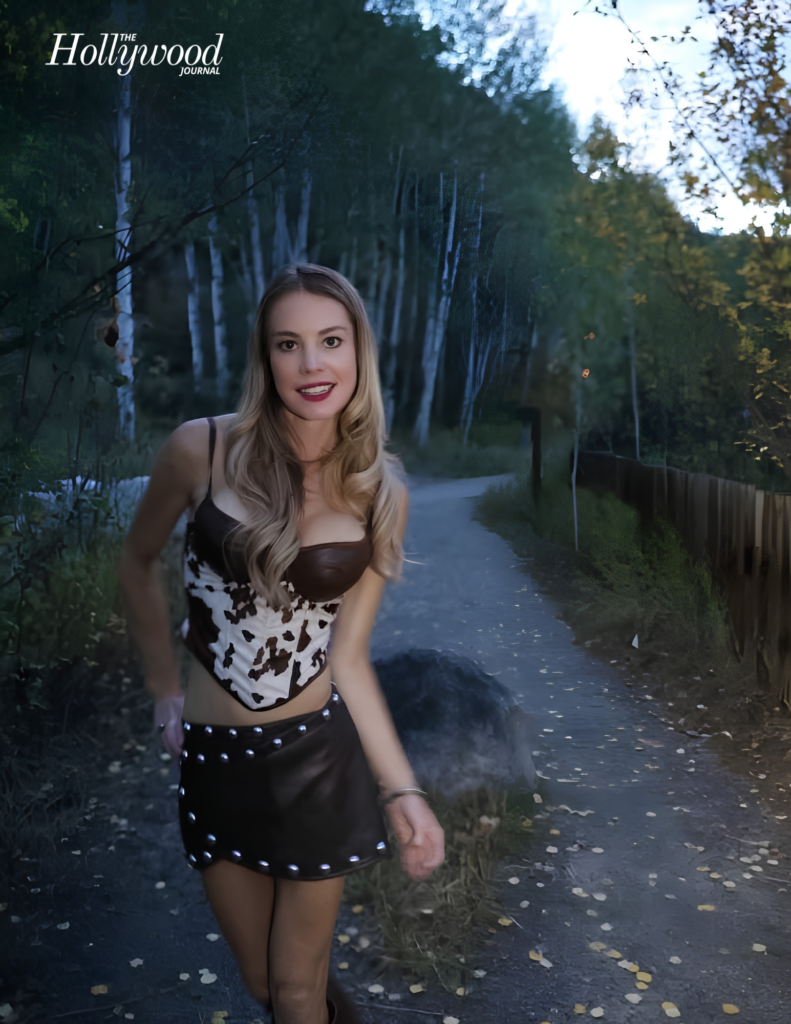
This is where the concept becomes particularly relevant to the social-media generation.
Fashion is no longer experienced only by the people standing in the room.
An elegant photograph beneath the aspens might appear on a feed alongside a completely different image from later that evening—dancing, laughing and wearing a much more playful version of the look.
Someone viewing the photographs might reasonably assume they were taken on different occasions.
They weren’t.
That is precisely the point.
The modern wardrobe can create multiple fashion moments from a single social experience.
The Future Isn’t Necessarily More Clothes
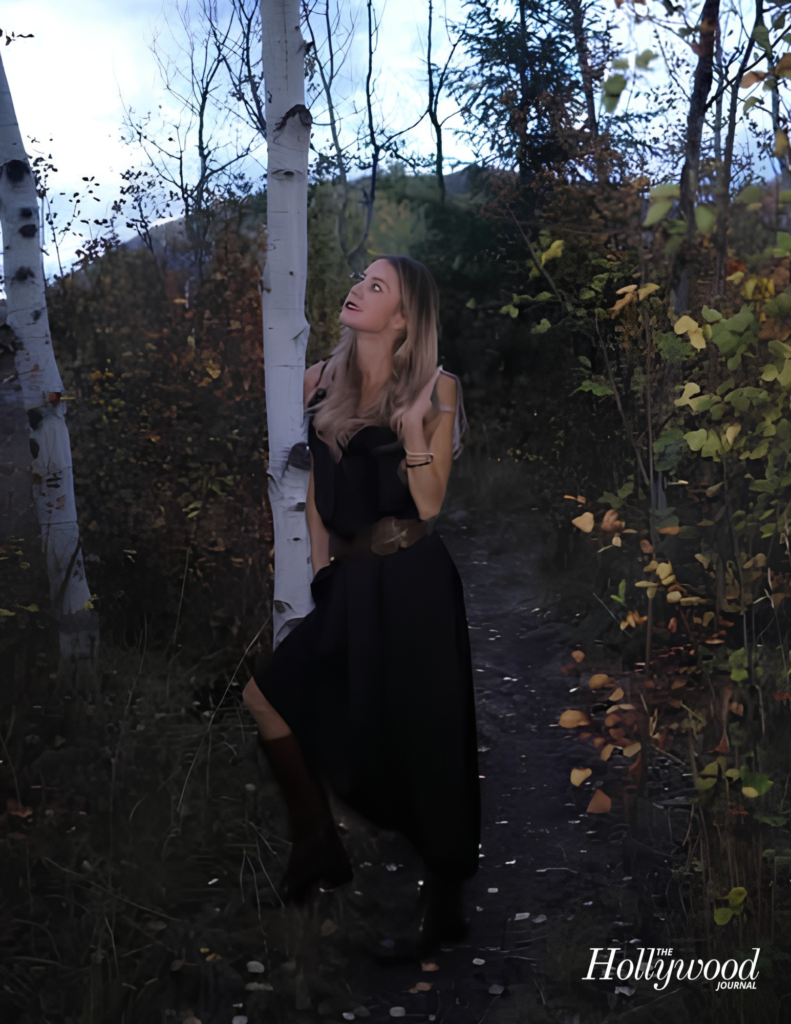
Perhaps the most compelling part of this idea is that it doesn’t have to mean buying more.
It can mean designing smarter clothes.
Rather than purchasing one conservative dress that rarely gets worn and another party outfit for later, one thoughtfully engineered garment could accomplish both.
A detachable floor-length skirt could reveal a mini. A sophisticated jacket could conceal a corset. One belt could unite both silhouettes. The same Western boots could carry the wearer through the entire evening.
That creates more possibilities from fewer pieces—and gives designers an entirely new creative challenge.
The question becomes not simply, “What does this garment look like?”
It becomes, “What else can this garment become?”
From Dinner to Dancing: The New West
Western fashion has never really been about following rigid rules. Its enduring appeal comes from individuality, confidence and a certain willingness to do things differently.
That makes it the perfect testing ground for a more dynamic way of dressing.
The woman walking into dinner in a long black dress doesn’t have to remain frozen in that version of herself for the rest of the evening.
A few hours later, the skirt comes off. The boots appear. The Western details get bolder. The music starts.
And suddenly the conservative dress has become the dancing outfit.
One night. Two moods. Two completely different sets of photographs. One wardrobe.
That may be where fashion is headed next: not simply designing clothes for where we’re going, but designing them for everything that might happen once we get there.